Studio Card #7: The Mysterious Mentor
| Brief | Carl Castaneda is a comic character developed as part of the Back of the Yards comic series; a Creative Commons project produced by the Made Collaborative Studio. Mr. Castañeda is a mysterious teacher and mentor who guides our main characters on their road to realization. Glimpses at his own foggy past reveal that he embarked on a similar journey long ago. |
|---|---|
| Core Personality Traits & Values | He clearly knows more than what he is saying, but the best teachers do not give they answers but merely point the way. |
| Primary Archetype | The Mentor |
| Motto | “Your dreams are part of the same primal energy that brings all existence into being!” |
| Collaboration Background | Mr. Castañeda is a character developed by Len Kody. He is a way of tying the various narratives and characters created by the first wave of participating youth as part of an after school program in the West-Side of Chicago. |
| Debut | Issue #2 of the Back of the Yards comic series |
Quick Introduction
Carl Castaneda - Did He Just Appear Out of Thin Air?
Mr. Castañeda has the poise and bearing of a seasoned teacher. But nobody knows who he is. Mr. Castañeda may or may not be a real teacher, but his afterschool arts program is ardently attended by those in the know.
Their regular meetings in Room 23 are no secret, nor are they what one would call common knowledge. By all appearances, Mr. Castañeda handpicks young people of promise and extends them a personal invitation.
His recruitment efforts have been fruitful. Tamia and Russell are both already in the program. Andre was recently invited.
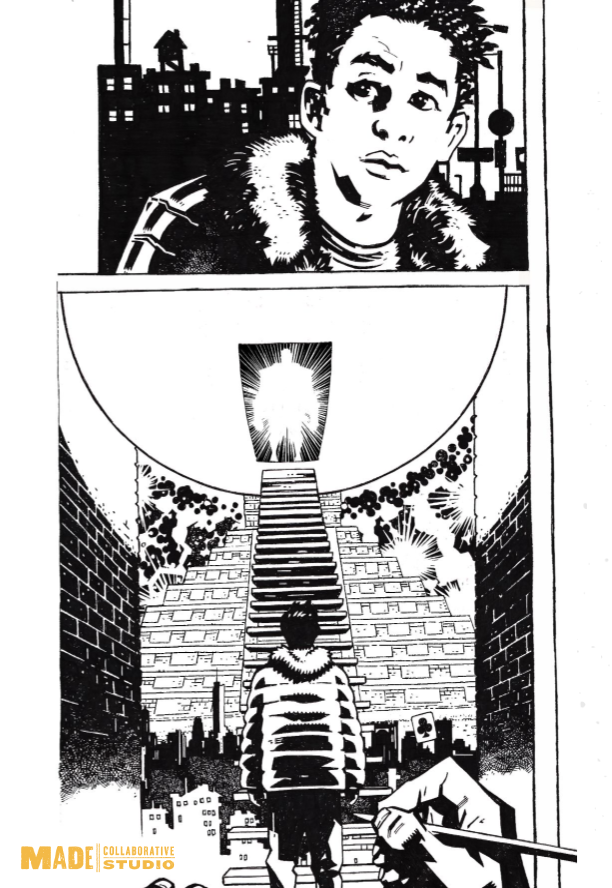
Mr. Castañeda knows more than what he is saying. Which is a little staggering, when you think about it, because he says an awful lot. He speaks to his students as a shaman would to his apprentices, seeming to prepare them for some future challenge. He encourages them to see the intrinsic power within themselves.
“Calm yourself,” he says to two fighting students, “Your anger is your weakness.”
In his classroom lecture, Mr. Castañeda alludes to celebrated comic book scholar Scott McCloud and his theory of art: “It is a happy fact of human existence that we simply can’t spend every waking hour eating and having sex!”
Art, Castañeda explains, is an elevated, almost sacred human activity, because it is not motivated by life’s two most compelling instincts—survival and reproduction.
McCloud puts the whole artistic enterprise of our civilization into perspective, observing that art is what we expressive apes will inevitably do “when we just don’t have a thing to do!”
Be that as it may, McCloud only leaves us with a pithy definition of art. As for its purpose?
Mr. Castañeda has some thoughts to share on that, as well.
“Your dreams are part of the primal energy that brings all existence into being!”
A Rendezvous With the Secret Chiefs
Meeting the Mentor
While it’s true that Mr. Castañeda plays the role of mentor in the present day to Andre, Tamia and his students in the New City High After School Arts Program, earlier in his journey, Carl needed a mentor of his own to help guide him on his path of discovery.
Sancho Panza is the shaman that Castañeda encounters during his time in Mexico. We already know that Sancho is wise, kind and a little crazy. But who is he? How did he come to be a shaman? And, most importantly, what will the further adventures of Carl Castañeda and Sancho Panza look like?
That’s where we believe you, our clever collaborators, will be of some assistance.
A Made Collaborative Production
Introducing a New Hero’s Journey
Back of the Yards!
This Studio Card is part of the Back of the Yards comic series, a Creative Commons project developed by the Made Collaborative Studio. You can learn more about our Creative Commons license by visiting the Explore the Studio page, but in short, what this means is that as a Creative Commons project, you can copy, redistribute, remix, transform, and build upon the content for any purpose, even commercially, as long as you give appropriate credit, provide a link to the license, and indicate if changes were made. And if you remix, transform, or build upon the material, you must distribute your contributions under the same license above.
If you’d like to explore the Back of the Yards comic further, you can see and access the Studio Card to your right and/or the related Studio Cards below. Thanks for collaborating with us!
Let's Collaborate!
Carl Castañeda is a mystery wrapped within an enigma! So, collaborators have plenty of blank canvas to work with here. We plan to reveal this character's cryptic backstory slowly, but maybe one of the seeds you help us plant will grow into a fully-fledged storyline.
Submit Your Artwork
The Made Collaborative Studio is fueled by your artistic contributions. We’re a community of artists and storytellers who want to build something supportive for creatives of all backgrounds and ages.
We encourage you to participate in our collaborative community by showing off some of your work. We may feature your artwork in the future.
Table of Contents
Related Studio Cards to the Back of the Yards Comic Series
All Stories Start With
A Great Character!
Who is…
Big Earl?
Who is…
Dex?
The Monahans!
Andre’s Favorite Comic!
All Stories Start With
A Great Character!
Who is…
Manny Dominguez?
Who is…
John Golden?
Introducing a New Hero’s Journey
Back of the Yards!
Who is…
Erihii Nyamor?
The Hero’s Journey (Part III)
The Return
Studio Card #8: Neighborhoods & Their Residents
| What | With this Source Card collaborative production, we examine the unique characteristics of our urban neighborhoods, including their unique histories, events and residents. |
|---|---|
| When | We will examine past, present and future states of these neighborhoods in attempt to gain a better understanding of how these neighborhoods originally developed and evolved through the years. |
| Who | As part of this collaborative series, we will also examine the residents of these neighborhoods, including early immigrants to present day inhabitants, and their corresponding influence and impact to our urban communities. |
| Why | In order to more fully understand some of the complexities of our urban centers, we must understand their neighborhoods, including the evolution of those neighborhoods and their residents. And, of course, we plan to incorporate some of these related themes into our ongoing comic series, Back of the Yards, with your collaborations. |
Chicago...
“Hog Butcher for the World,
Tool Maker,
Stacker of Wheat,
Player with Railroads and the Nation’s Freight Handler;
Stormy, husky, brawling,
City of the Big Shoulders”
Ahh, Chicago. The city from which this modest little collaborative comic project was born. A city of neighborhoods as diverse as the residents that inhabit within.
The very idea of this comic was born on a bus ride home by its project founder one winter’s evening, and from there, would evolve into a fully formed comic by fusing the ideas of participating Chicago urban youth with the ideas and illustration of local Chicago artists.
Your Collaboration Workbook
As with all collaborations, we start by urging you to first get an old-fashioned pen (or pencil) and paper in hand. It is with this type of brainstorming that often you will encounter your creative breakthroughs and even more practically, taking notes will help you to organize and summarize your thoughts.
We have also created a Collaborative Workbook [INSERT PDF LINK] for your convenience if helpful, which you can access here by clicking below.
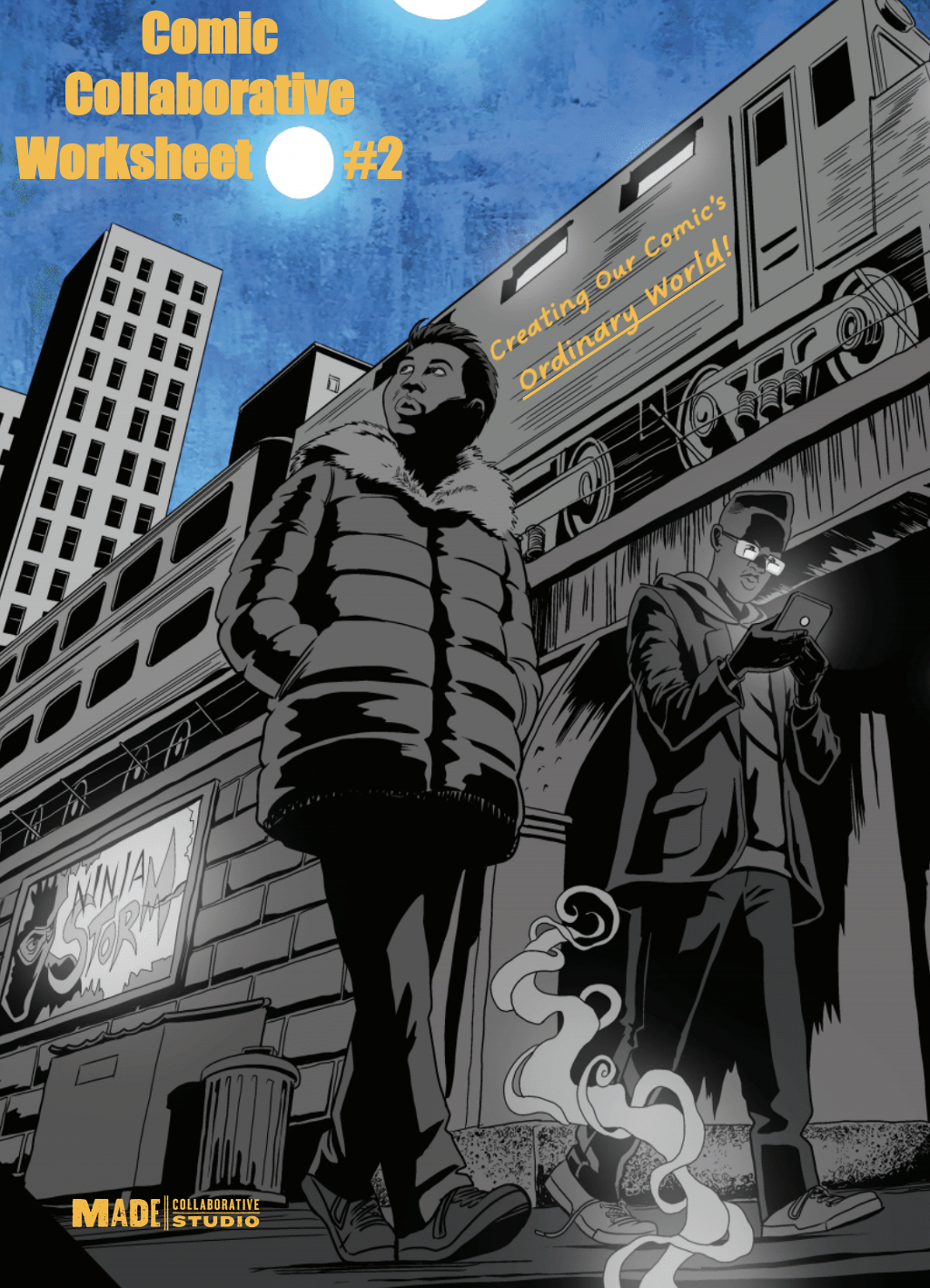
Creating Our Comic's "Ordinary World" -
The Fictional Back of the Yards Neighborhood
In many ways, Chicago represents the “Ordinary World” from which this collaborative comic project was born. In fact, this comic series central storyline takes place in a fictional neighborhood called “Back of the Yards” which is loosely based on the real Chicago neighborhood located in the South Side of the city.
More on that later, but first we present you with a quick introduction to what we mean when we refer to the “Ordinary World” by introducing you to a storytelling framework called the Hero’s Journey.
The Hero's Journey
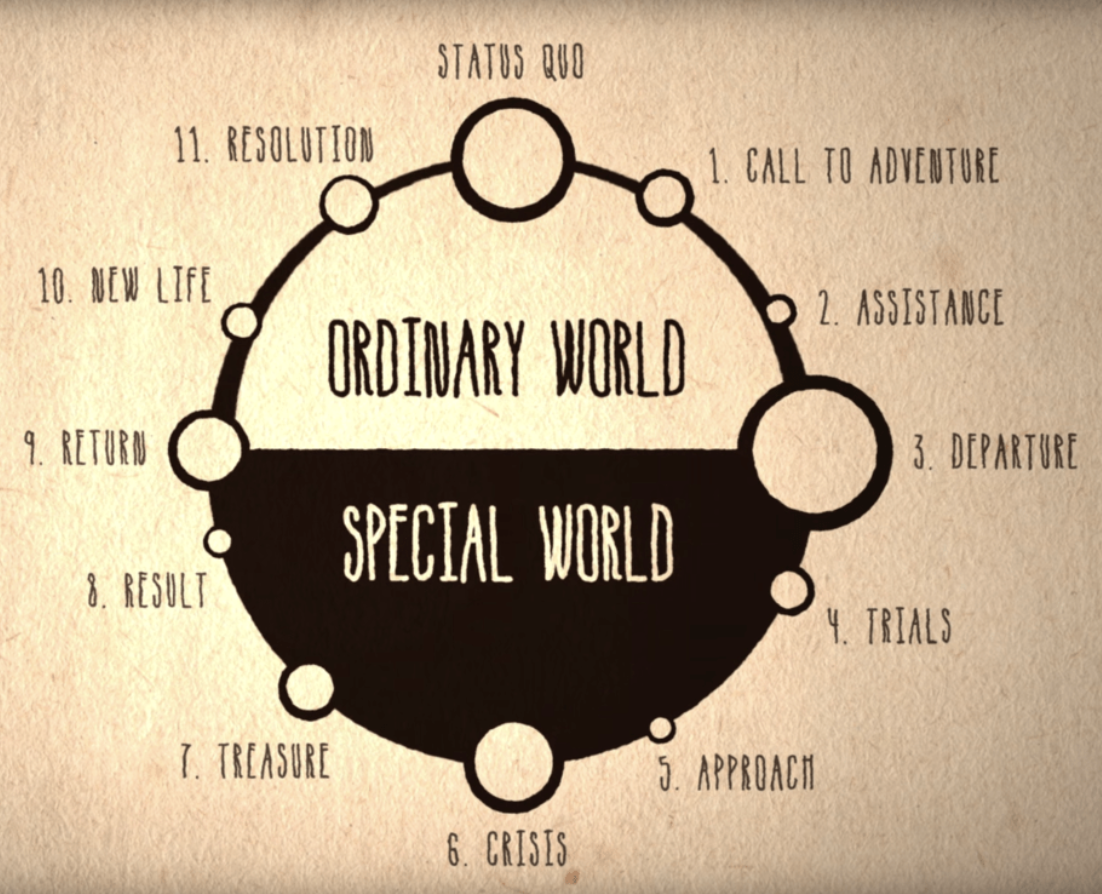
As we will cover much more separately as part of this collabroative project, the Hero’s Journey is a story template where a hero leaves their “ordinary world” for an adventure, faces trials and tribulations in a special world, and then returns transformed with a new wisdom or gift for their community. In in its most common form, the Hero’s Journey can be described in 12 stages (as shown below). Key stages include Departure from the “Ordinary World,” where the hero receives a call to adventure and leaves their known world; Initiation, the core of the journey with trials, allies, and a decisive victory or ordeal; and Return, where the hero comes back to their ordinary world, often with a boon that benefits others.
It is this story template that we will build our own comic collaboratively going forward. In doing so, we will provide you more detail on influential creative pioneers like Joseph Campbell and Christopher Vogler. For now, we will just focus on that very first stage of the Hero’s Journey story template tool – the Ordinary World.
The Ordinary World
The Ordinary World is the very beginning of the Hero’s Journey. It is, as its name suggests, the setting from which the Hero is going through his or her daily life before their “Call to Adventure.” For Luke Skywalker in Star Wars, this setting was Luke’s family farm on the planet of Tatooine.
The movie, Black Panther, begins with an introduction to that comic story’s Ordinary World which began thousands of years ago in the nation of Wakanda within the continent of Africa. It was there that five African tribes warred over a meteorite containing the metal vibranium. One warrior ingests a "heart-shaped herb" affected by the metal and gains superhuman abilities, becoming the first "Black Panther" and ultimately setting the stage for the eventual Call to Adventure of the story’s hero – T’Challa.
But that movie’s Hero’s Journey storyline all starts with the introduction to the movie’s Ordinary World, which you can see here by clicking below.
In contrast to Luke Skywalker in Star Wars or T’Challa in the Black Panther, our comic’s first main character Andre is living his “ordinary” life as a young man in a fictional neighborhood called the “Back of the Yards,” which we loosely based on the real-life Back of the Yards neighborhood in the South Side of Chicago.
The Real Back of the Yards Neighborhood
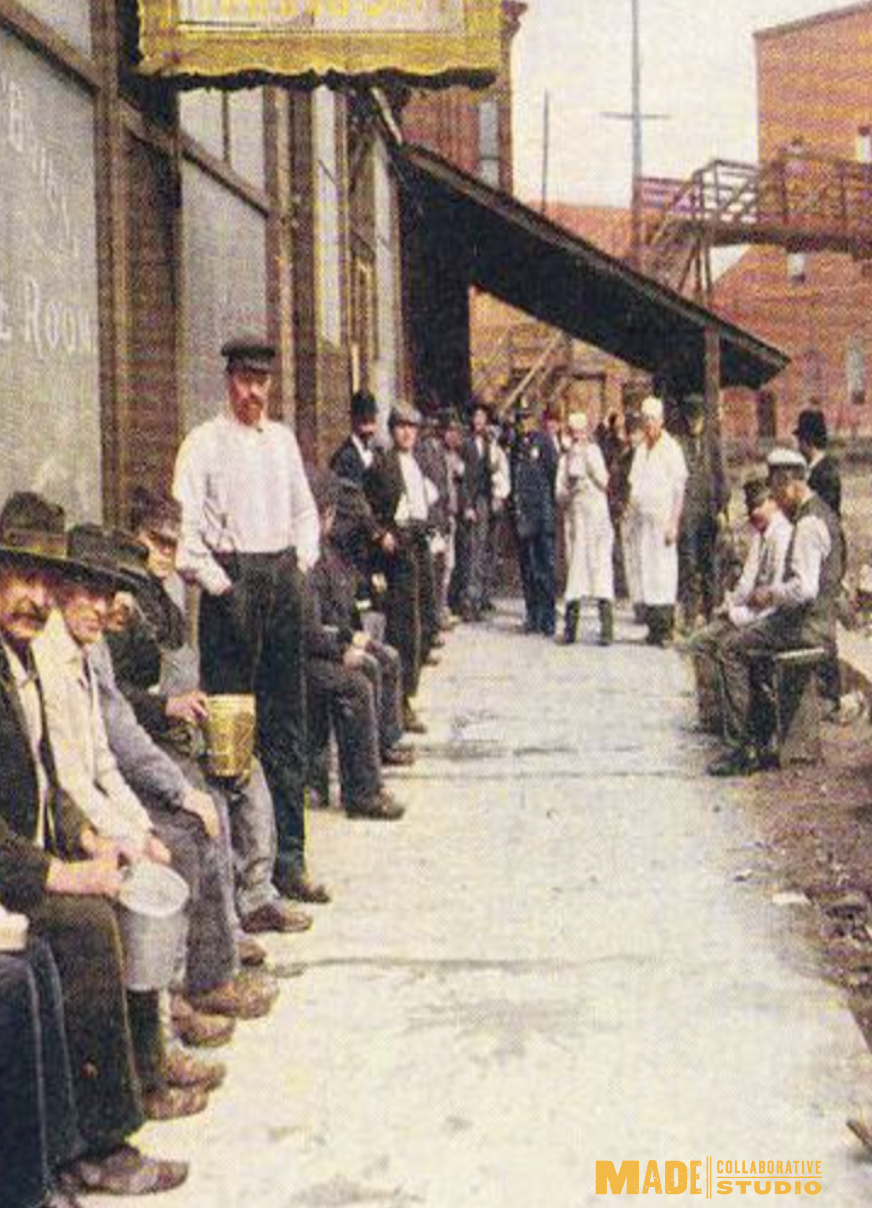
The real Back of the Yards neighborhood extends from 39th to 55th Streets between Halsted and the railroad tracks along Leavitt Street in Chicago, and was until the 1950’s the largest livestock yards and meatpacking center in the country. Attracting the attention of novelists and activists alike through much of the 20th century.
And in many ways, the real Back of the Yards neighborhood is symbolic of so many of our nation’s urban centers. An influx of European immigrants looking for a better life, back when manufacturing jobs were plentiful. Followed closely by an influx of African-American migrants from the rural South. All creating a vibrant melting pot of cultures unique to our nation’s great urban centers.
Of course, those once plentiful jobs would soon begin to disappear due to economic forces beyond the control of those early residents. Steel would leave Cleveland. The auto industry would soon begin to abandon Detroit. A general exodus of manufacturing from Baltimore. It was just a different version of the same story for many of our nation’s urban centers.
And in the Back of the Yards’ case, it was the stockyards that would leave Chicago, leaving behind economic strain for those who could not also depart to the suburbs or elsewhere.
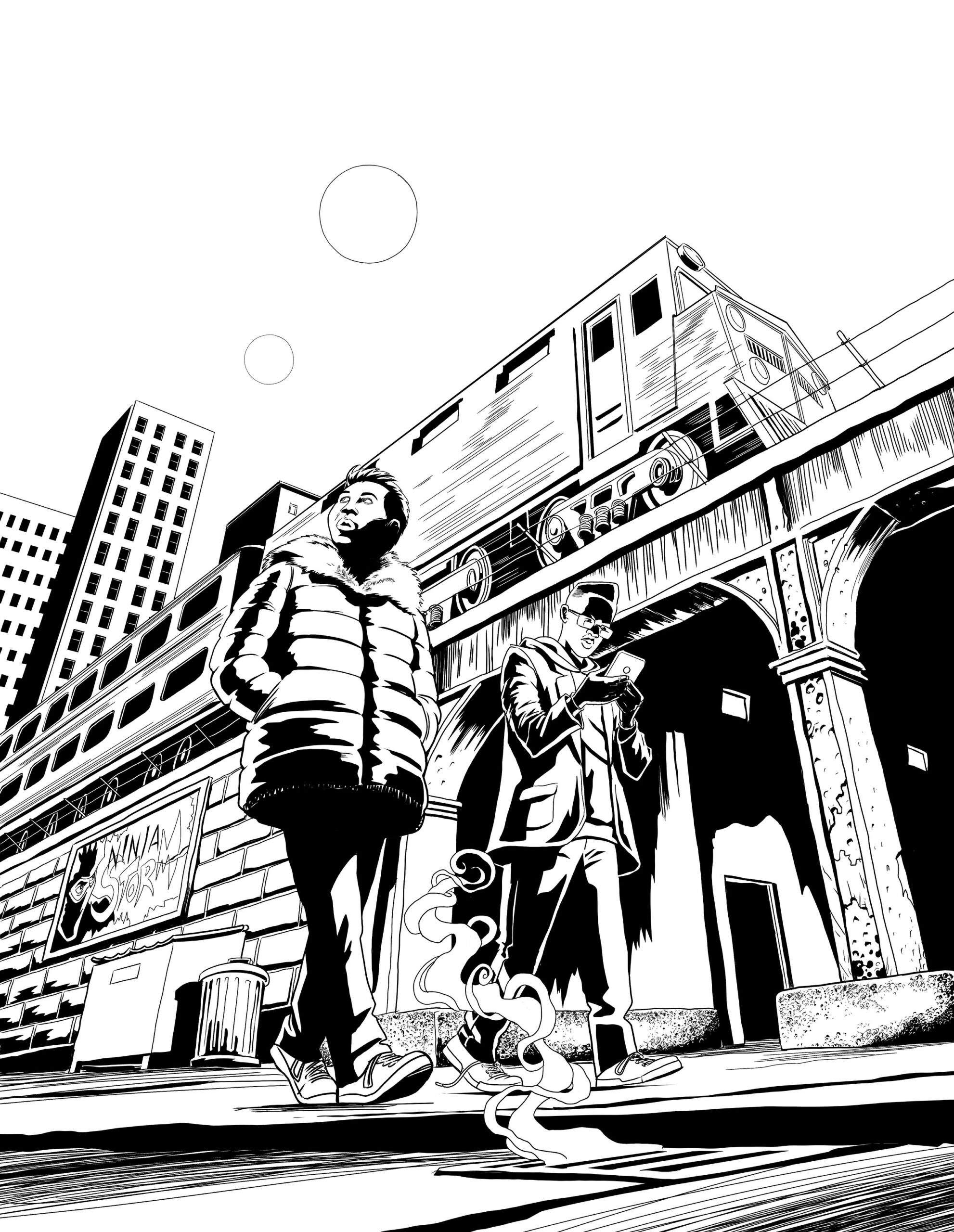
As part of Issue 1 of our new comic Back of the Yards series, we developed a short comic feature about the Real Back of the Yards, which we hope to replicate over time for different neighborhoods and their respective histories and residents, both within Chicago and beyond.
This short Back of the Yards comic feature, appearing in the supplement of Issue 1, was written by the project’s Creative Director, Len Kody, and illustrated by participating artist Dan Dougherty, and draws inspiration from a book called The Jungle, written by Upton Sinclair, who spent seven weeks in the Chicago Stockyards (what is now the real Back of the Yards neighborhood) in 1904.
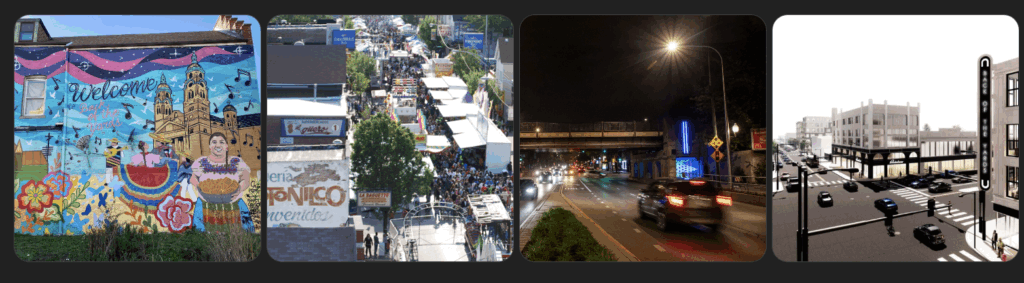
What remains at the Chicago Back of the Yards neighborhood today is a diverse, vibrant working-class neighborhood known for its strong Latinx community and deep roots in the city’s industrial past. While the area still faces challenges like poverty, aging infrastructure, and crime, it’s also seeing grassroots revitalization through community-led efforts and developments like the United Yards project. Local organizations are active in youth programs, housing support, and cultural events, helping preserve neighborhood pride.
Pen to Paper - Tell Us About Your Neighborhood!
Building our Fictional Back of the Yards "Ordinary World" By Learning More About Your Neighborhoods
And it is that tapestry of people, personalities and life experiences that makes every city and community special. The food they serve and eat. The history that betrays itself through each neighborhood’s architecture, giving clues about its residents and their journeys, both personal and ancestral.
And it’s also that same tapestry that may help us to continue to build upon our own fictional Back of the Yards neighborhood for our comic series. It’s in that context that we wanted to facilitate this Studio Card collaborative series, Neighborhoods & Their Residents working with participating youth, artists and others, to create comic content for our Back of the Yards comic series based on some of the unique characteristics of their neighborhoods.
Within this collaboration series, we will continue to explore different neigborhoods and communities throughout America, both urban and rural, with a look into their residents, their histories and culture. And with that context, our hope is that over time, we will be able to work with youth collaboratively to create future short comic features exploring some of those neighborhoods and their histories.
***
- Take some time to think about your own neighborhood growing up, whether now or in the past. What was/is the name of your neighborhood? What city? And how would you describe it in a short paragraph or two?
- As you think about your neighborhood, are there any particular places that more immediately come to mind? Like a church? Playground? A store? Restaurant? Any other landmarks? Try listing 3 to 5 such places from your neighborhood and provide a short description of what these places may have looked like and why they may be part of your neighborhood memories?
- Finally, neighborhoods are about the people that inhabit the communities, both past and present. Are there any residents from your neighborhood that you remember in particular? A teacher? A cousin or friend? A store owner? Anyone at all. Try listing 3 to 5 such individuals with a short description of them.
The Heartbeat of Every Neighborhood - Residents
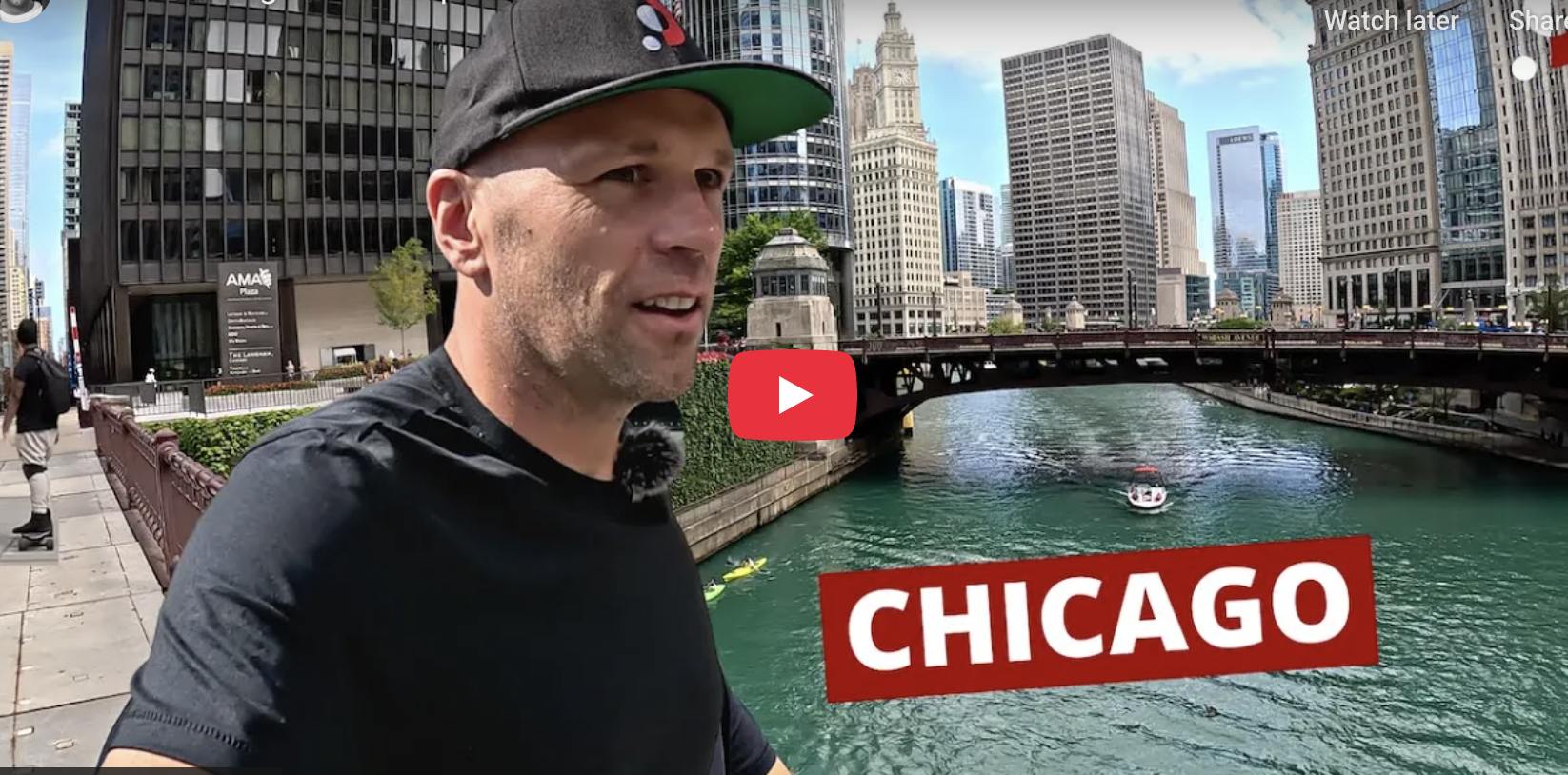
As we opened this Studio Card page with, Chicago is a city of neighborhoods—each with its own unique character, history, and community. From the vibrant murals of Pilsen to the historic brownstones of Bronzeville, every corner of the city tells a story through its residents. These neighborhoods are more than just places on a city map; they’re home to generations of families, local businesses, cultural traditions, and everyday moments that define life in Chicago. Just as with every city and community. And in this video, we join Peter Santenello as he explores some of these diverse communities and how they shape the heartbeat of the city.
Let’ s Collaborate!
With this collaboration, you will have an opportunity to develop our comic's "Ordinary World" - the fictional Back of Yards comic neighborhood. You can help us to this by submitting to us places and residents from your own neighborhoods.
Especially creative submissions will be chosen for further development with the Made Collaborative team and inclusion in our comic book series, starting with the next Back of the Yards issue.
We'll also invite some collaborators to take part in our livestream sessions over Zoom.
Table of Contents
Related Studio Cards
Who is…
Andre Davis?
Who is…
Tamia Parker?
Who is…
Carl Castaneda?
Introducing a New Hero’s Journey
Back of the Yards!
Who is…
Peaches?
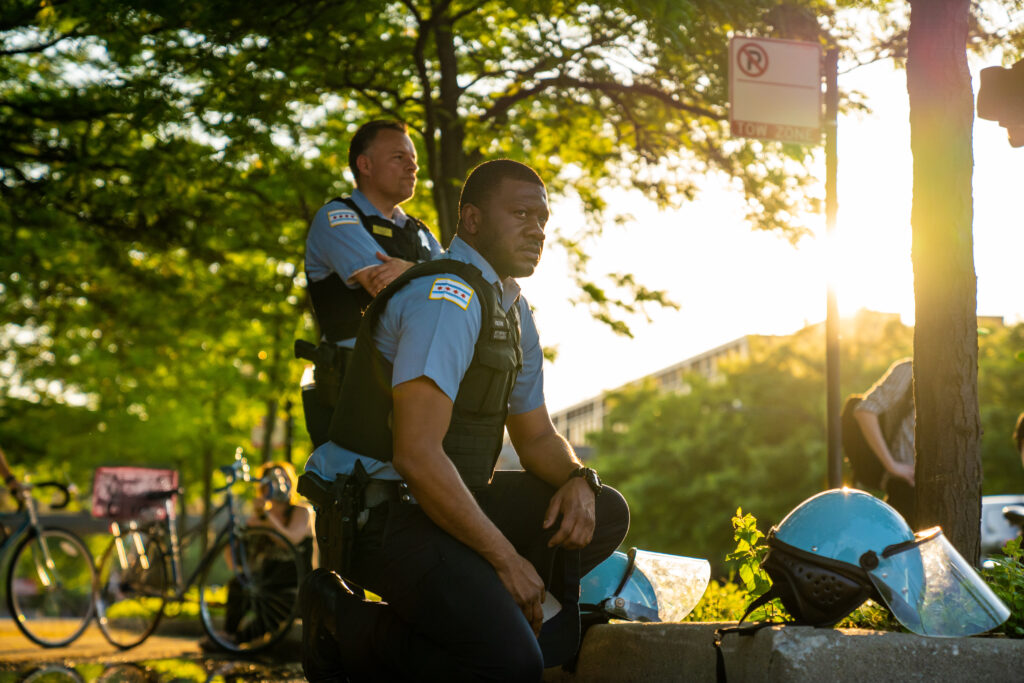
Law Enforcement &
The Community
Source Card #9: Crossing the Threshold Every Day
| What | This collaborative series is a peek into the issues facing law enforcement and community relations within our urban communities. |
|---|---|
| When | We will begin Part I of this collaborative series with a snapshot of the early origins of modern day policing, setting the stage for a deeper dive into the present day issues in Part II of this series. |
| Who | This Source Card overview begins with a look at a man named Robert Peel who may not be a household name to many of us, but as it turns out, in many ways he may well be the founding father of today’s modern day police force as we know it. |
| Why | To facilitate a collaborative process that promotes just a little more understanding from all sides on a complicated set of issues facing our country’s urban centers. And along the way, with your help and input, incorporate some of these themes and issues into our Back of the Yards comic series. |
A Quick Introduction
With this Source Card collaboration, we’ll explore a range of topics centered on law enforcement and community relations. We’ll begin with a look at the origins of modern policing and gradually move toward examining the many challenges police departments face today.
As we explore these topics, you’ll be invited to participate—individually or alongside others. Our hope is to engage not only urban youth and their academic communities, but also subject-matter experts, including police officers themselves.
That’s the vision, at least—and we’ll discover together exactly where this collaboration leads. For now, let’s start at the beginning: the early roots of the modern police force and the work of a man named Robert Peel...
From Peel to Modern Day Realities
As noted in the brief introduction above, much of the credit for establishing the framework of modern policing goes to an early 19th-century English statesman named Robert Peel. And with that in mind, one can’t help but wonder what Peel himself might think if he were alive to witness the state of policing today…
Of course, saying that a lot has changed since Robert Peel’s day would be something of an understatement.
In Peel’s era, the newly formed police—nicknamed “Bobbies” in his honor—patrolled metropolitan streets armed with nothing more than wooden batons. Their most common encounters involved public drunkenness and the occasional street fight, with the underlying hope that their steady presence alone would be enough to deter crime…
Violence in our Cities
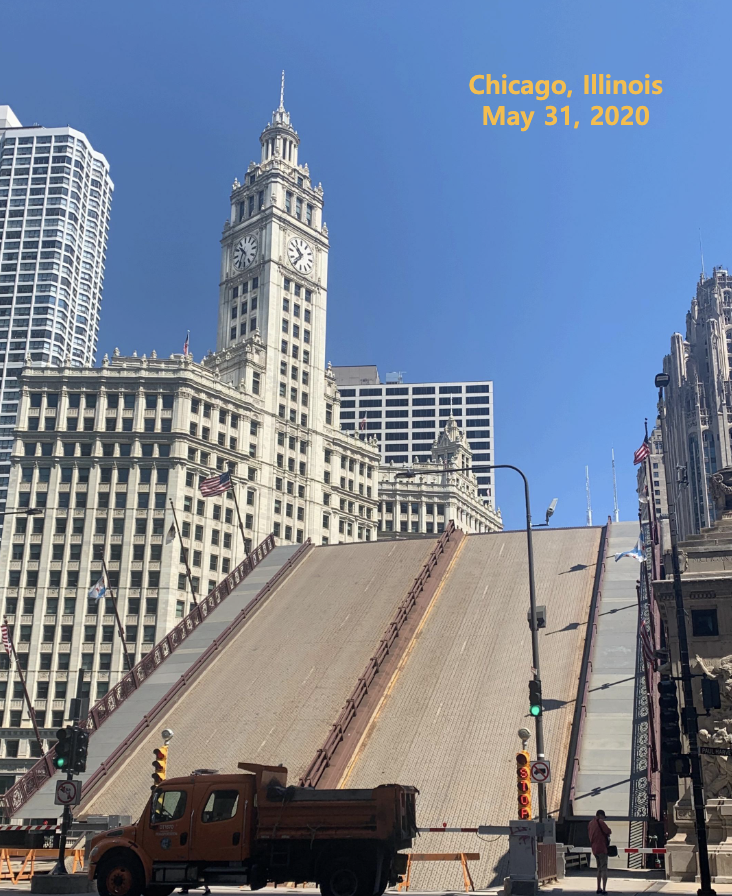
In the summer of 2020, total Chicago shootings that July were at a 75% increase as compared to previous July. And as I write this blog entry, just over the last weekend alone here in Chicago, at least 49 people were shot, seven fatally.
Violence in our cities is nothing new. And to be fair, the fact of the matter is that violent crime within the United States has actually been on a steady decline over the last 15 years. But that shouldn’t in any way diminish the very real challenges within our urban centers today, as further evidenced by a murder rate that was up 16.1 percent in America’s 25 largest cities in 2020.
And it is this volatility that police officers walk right into the front lines every day. As Chicago’s former superintendent David Brown put it just after a shooting of 3 Chicago officers, “when they leave home, they leave their loved ones and put their stars on and risk everything. They risk everything protecting us all.”
Systematic Pressures on All Sides
All of this is further complicated by modern drug-enforcement laws, which place additional frontline responsibilities on police officers. These pressures can create an environment where officers feel compelled to “produce” in order to meet job expectations. Yet in doing so, an unintended adversarial relationship often develops between law enforcement and the very communities they are meant to patrol and protect.
In his book Justice Without Trial, Law Enforcement in Democratic Society (1967, latest edition 2015), sociologist Jerome Skolnick maintains that any job description that calls upon a person to exercise decision-making authority in the face of physical danger may simply be asking too much of the practitioner.
Combine that danger with the systematic pressures police officers feel from above and from within, it would seem to be a wholly undeniable understatement to say that the job of a police officer is a profoundly difficult one.
But as we will try to further explore as this collaboration develops, the same systematic pressures that our police officers feel from above and within, as they also put their lives on the line daily, may also be contributing to the widely disproportionately negative impacts within our black and brown communities that exist today, which are equally undeniable.
Pen to Paper! - Help Us Create an Open Dialogue
As part of this collaboration—and to help shape two new police characters for our Back of the Yards comic series—we plan to facilitate an open dialogue between participating youth and both active and retired police officers. Excerpts from these conversations, paired with supplemental comic illustrations, will appear in the Supplement of Issue 3 and may even influence the dialogue or scenes involving the new officers and other characters in the series.
You can help us build this dialogue by reflecting on the prompts below. We’ve also created a workbook, accessible through the yellow button, that offers additional context and provides space for you to jot down notes if that’s useful.
After you’ve considered the prompts and gathered your thoughts, you can share your ideas with us through the “Let’s Collaborate” form at the end of this Studio Card page.
Prompt #1
As we reach out to both active and retired police officers to participate in this dialogue, what questions would you consider asking them? Take a moment to think about the topics or experiences you are most curious about, and how their perspectives could help inform the creation of our new police officer characters for the Back of the Yards comic series.
Prompt #2
From a law enforcement officer’s perspective, what opening questions would you ask a participating youth? Consider what you would want to learn about their experiences, perspectives, or ideas, and how these insights might help foster a meaningful dialogue.
Prompt #3
Do you have any additional suggestions for making this open dialogue more meaningful and productive for both participating youth and police officers? Think about ways to foster understanding, encourage participation, or create a positive and respectful exchange of ideas.
Law & Order - The Thin Blue Line
Beyond the day-to-day realities of policing in our modern communities, societies depend on law and order to preserve safety, stability, and the well-being of the public. Yet in a democracy, these needs must always be weighed against the dangers of excessive state authority—particularly the potential for police power to suppress or control dissent. Striking this balance has long been a challenge in the United States and elsewhere, especially within urban communities during periods of social tension and political upheaval.
Within Chicago, where this collaborative comic project was born, this tension has long been evident. The Chicago Lager Riot of 1855 and the 1968 Chicago Democratic National Convention protests both highlight tensions between maintaining public order and protecting civil liberties.
During the Chicago Lager Riot, working-class immigrants protested strict temperance laws and Sunday saloon closures imposed by city leaders. Police used force to suppress demonstrations, revealing how state authority could be used to enforce moral or political agendas at the expense of public dissent.
More than a century later, during the 1968 Democratic Convention, antiwar demonstrators clashed with Chicago police, whose aggressive tactics—widely televised—sparked national debate over “law and order” and the limits of police power.
The 1968 Democratic National Convention unfolded amid intense social and political turmoil. The Vietnam War, civil rights struggles, and the recent assassinations of Martin Luther King Jr. and Robert F. Kennedy had deeply divided the nation. Protests for peace and justice clashed with demands for “law and order,” making Chicago a focal point of the era’s unrest and polarization.
Both events illustrate the enduring struggle in American democracy to balance the state’s responsibility to preserve order with citizens’ rights to protest and express opposition to government policy. They also reveal the strain such conflicts place on police officers themselves, who are often caught between enforcing authority, maintaining public safety, and navigating the moral and political pressures of their time.
Chicago 1968 - A Comic by Len Kody
Long before he entered the collaborative scene with us as Creative Director at Made Collaborative, Len Kody worked with other comic artists – including participating project artist, Tony Maldonado – to develop a working comic anthology depicting the tumultuous events and characters leading to the 1968 Chicago convention protests. That comic is an ongoing creative work by Len and other artists (over 150 pages to date), but within the original comic storyline, Len created two fictional characters – both of whom were Chicago police officers.
Jimmy O’Herron and Frank Zomksi are two characters from Len’s Chicago 1968 comic. Each officer is deeply rooted in Chicago’s history—one of Irish descent, the other Polish—and both find themselves caught in the social powder keg of the 1968 Chicago protests. These two characters will serve to inform a collaboration to create a new police officer character for the Back of the Yards comic series, which we will introduce just below.
To help set the stage for this collaboration, Len has generously allowed us to include three excerpts from the original Chicago 1968 comic. Each excerpt features one or both of the O’Herron and Zomksi characters. You can access them by clicking the yellow button below.
Pen to Paper! - Help Us Create a New Comic Character
Creating the "Officer #1" Character
Within Len Kody’s Chicago 1968, the fictional police officer characters of Jimmy O’Herron and Frank Zomksi find themselves caught in the social powder keg that was the 1968 Chicago protests. It is through these two police officer characters that we see how these broader societal tensions may take a significant toll on police officers themselves, who often face immense pressure, public scrutiny, and the emotional strain of navigating volatile situations while attempting to uphold both public safety and constitutional rights.
With this collaboration, we will be creating “Officer #1” for our Back of the Yards comic series. This Officer #1 character will be an older, more senior officer – perhaps at the tail end of his policing career. And in addition, this new Officer #1 character will be related to, in some way, either Jimmy O’Herron or Frank Zomski from Len Kody’s Chicago 1968 comic. How exactly this new character is related, and what that relation even means to this new character’s other traits – all of that will be entirely up to you and others who participate in this collaboration.
***
To help facilitate the development of this new character, we point you to a digital template that we previously developed – Studio Cards #1. You can access this template by clicking on the Studio Card to the right.
As you will see, this Studio Card digital template walks you through a simple 5 step process to shape your character ideas into a character ready for the Back of the Yards comic series.
The general framework of this digital character template is:
Step One – Creating Your Character’s Background and Basic Traits
Step Two – Developing Your Character’s Personality
Step Three – Developing Your Character’s Archetypes & Core Values
Step Four – You Character’s Biography & Other Interesting Facts
You can also access Issue #1 of the Back of the Yards comic in Studio Card #1!
All Stories Start With
A Great Character!
***
Prompt One - Creating "Officer #1's" Character Background & Basic Traits
Step #1 - O'Herron or Zomsky?
Begin by making a key creative choice:
Choose one of the two officers from Len’s Chicago 1968 comic—O’Herron or Zomsky—to whom the new Officer #1 will be connected or related to in some way.
For example, given the difference in time from 1968 to the more current setting of the Back of the Yards, this relationship could be a nephew or niece, or even a child depending upon age. In any case, this relationship will help anchor your character’s physical presence, personality, and background.
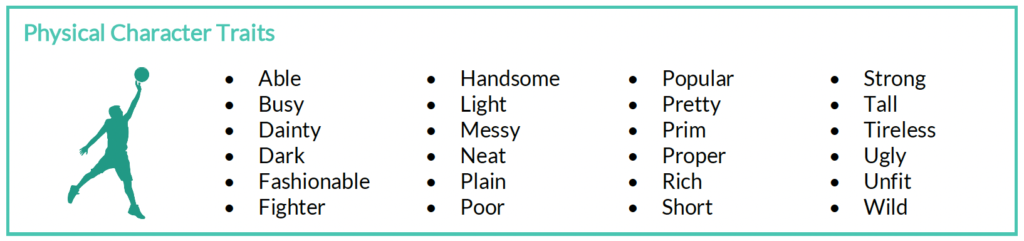
Step #2 - Define Physical Characteristics
With that connection in mind (O’Herron or Zomsky), describe the physical traits of Officer #1.
Consider:
- What aspects of their appearance reflect (or contrast with) O’Herron or Zomsky?
- Height, build, posture, facial features, grooming, uniform details, or any distinguishing traits.
Step #3 - Basic Background Characteristics
Next, create the essential biographical details for Officer #1.
You may include:
- Name
- Age (Keeping in mind that this officer will be more senior, perhaps serving as an authority to other officers)
- Birthplace
- How is this new character connected or related to either O’Herron or Zomsky?
- Key family members (other than O’Herron or Zomsky)
- Brief personal history or defining life moments
- Any additional details that situate the character
- Feel free to refer to Studio Card #1 for guidance or style cues.
Step #4 - Bringing it Together
Using your notes from the steps above, write a two-to-three-sentence introduction that could appear in a screenplay the moment Officer #1 first appears. (If helpful, reference the Training Day description example in Studio Card #1 for tone and format.)
Prompt Two - Developing "Officer #1's" Personality Traits
Now that you’ve begun shaping Officer #1’s background and physical presence, take a moment to define who they are on the inside.
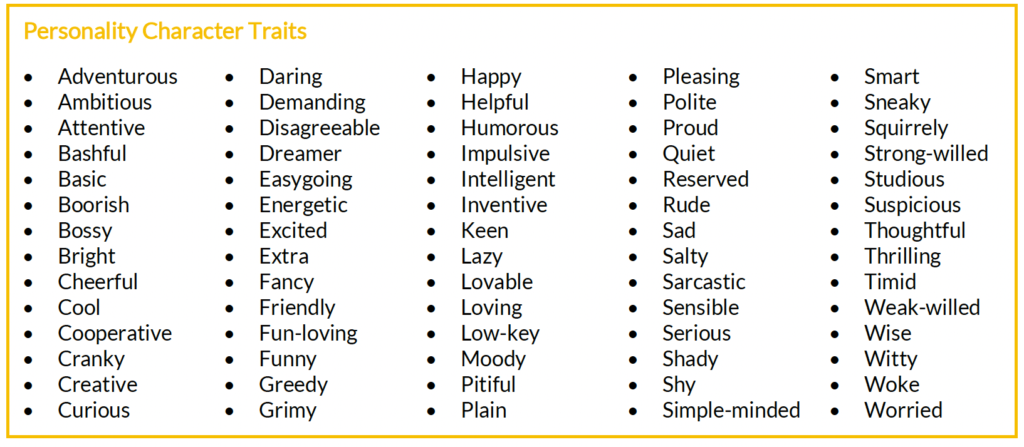
Write down five or more personality traits that you would use to describe your Officer #1 character to a friend or family member.
These can include attitudes, habits, strengths, flaws, or emotional tendencies. Feel free to draw inspiration from Studio Card #1 or from the personality cues you’ve already established in relation to O’Herron or Zomsky.
Think broadly—traits may be:
- Internal (e.g., anxious, idealistic, methodical)
- Interpersonal (e.g., sarcastic, gentle, confrontational)
- Professional (e.g., by-the-book, improvisational, ambitious)
Use whatever combination best reflects the emerging character and fits the tone of Back of the Yards Comic series.
Prompt Three - "Officer #1’s" Character Archetype & Core Values
Now it’s time to get to the core of your “Officer #1” character. Using one of the 12 archetypes presented within Studio Card #1, begin by defining the overarching archetype that best captures who this character is at their core—for example, The Stoic Hero, The Disillusioned Caregiver, The By-the-Book Boss, or The Reluctant Warrior. You may choose one archetype or blend several to create a more nuanced figure.
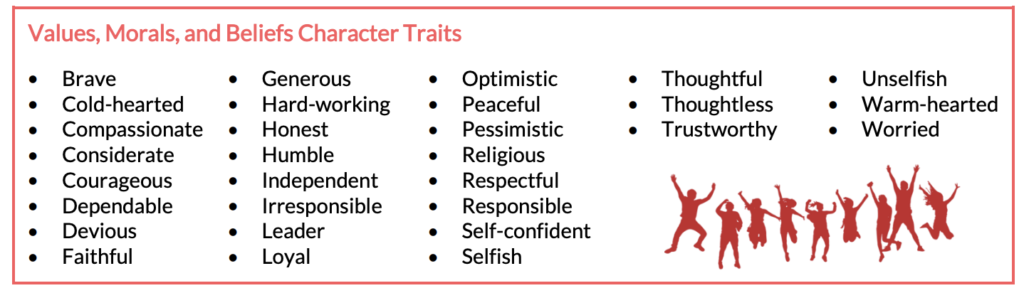
Once you’ve identified the archetype(s), outline the core values that guide Officer #1’s decisions, behavior, and worldview. You can draw upon their relation to either O’Herron or Zomski, and moreover, these values should reflect both the pressures and responsibilities of policing and the character’s personal moral compass. Consider values such as duty, loyalty, justice, restraint, compassion, integrity, or skepticism of authority—but feel free to propose others that fit your chosen archetype.
Your goal is to create a foundational identity for Officer #1 that can anchor their backstory, motivations, and role within the narrative. Please provide:
- The chosen archetype(s)
- A short description explaining why this archetype fits
- A set of 4–6 core values that define Officer #1’s internal code
Prompt Four - Lightening Round
Finally, just like in the Studio Card #1 template, it’s time for a “lightning round”! This is your chance to add details to your character’s backstory and explore the traits that make them truly unique. To help guide you, we’ve prepared 100 quick and easy questions, which you can explore in the Google Slide presentation below.
Of course, you don’t have to answer all of them—or even any at all! But we do encourage you to have fun with it and try to answer at least 10 questions to get your creativity flowing.
Let's Collaborate!
Here’s your opportunity to share your collaborative ideas with us! Using the form below, you can submit any notes or reflections you’ve developed in response to the prompts above—whether they relate to the “open dialogue” collaboration or the creation of the new “Officer #1” character.
We’ll be reviewing submissions regularly and selecting notable contributions for deeper exploration during our scheduled Zoom workshops.
Thank you again for participating. We look forward to collaborating more directly with some of you as we continue developing Issue 3 of the Back of the Yards comic series!
Table of Contents
Related Studio Cards
Who is…
Andre Davis?
Who is…
Tamia Parker?
Introducing a New Hero’s Journey
Back of the Yards!
Neighborhoods
& Their Residents!
Who is…
Peaches?
Who is…
Dex?
All Stories Start With
A Great Character!
Studio Card #10: The Street Corner Mentor
| Summary | Peaches is a comic character developed as part of the Back of the Yards comic series, a Creative Commons project produced by the Made Collaborative Studio. For now, known only by his nickname, “Peaches,” he is one of the neighborhood’s “Elders” who observe and comment upon the activities of the younger folks. Peaches backstory is rich, deep and yet-to-be revealed! |
|---|---|
| Core Personality Traits & Values | Peaches is the dignified moral compass the Elders. Even though he is very much a realist, Peaches tends to see the best in people and he encourages them toward a righteous path. |
| Primary Archetype | The Mentor |
| Motto | “Though our destiny is now our own, our search for that destiny has only just begun.” |
| Collaboration Background | Peaches was developed by Jimmy Briseno and Len Kody as part of the initial Issue 1 scripting process. |
| Debut | Issue #1 of the Back of the Yards comic series |
Quick Introduction
The Funky Finger of Fate
Three wise-cracking wise guys man a permanent post around a pickle barrel in front of Kozlow’s General Store. They are Peaches, Dex and Big Earl. Although these distinguished gentlemen of the neighborhood are officially retired from whatever eclectic ventures kept them occupied (and mostly out of trouble) in their storied youth, the Elders, as we call them, continue to serve an important purpose in their community—and in our story!
The intertwining threads of fate in Back of the Yards all intersect at the Elders’ humble pickle barrel, believe it or not. In ancient mythology, the Fates weren’t just observers and commentators but also tailors in life’s grand tapestry. Similarly, Peaches, Dex and Earl color the happenings of their Southside Chicago block with their piercing insight and cutting humor. They provide context, gravitas and perspective, reminding the reader and our younger characters that the world is big and history is long.
Atonement With the Father
It’s the summer of 1974 and love is blossoming on the Southside of Chicago. Peaches is in his early 30s and he is maturing into his destiny.
Peaches' Forbidden Fruit
The Way of the Peaceful Warrior
Peaches is a sweet old-timer, but not without substance. He is a source of both warmth and reason in the group, initiating many of their deeper conversations and keeping his comrades in check when he needs to.
As with all the Elders, his full backstory is too rich and mysterious to reveal entirely just yet. But it’s plain to see that Peaches carries himself with an unmistakable air of dignity. He expresses himself thoughtfully. Though rational, he is certainly not immune to passion, especially in matters regarding injustice.
A Made Collaborative Production!
Introducing a New Hero’s Journey
Back of the Yards!
This Studio Card is part of the Back of the Yards comic series, a Creative Commons project developed by the Made Collaborative Studio. You can learn more about our Creative Commons license by visiting the Explore the Studio page, but in short, what this means is that as a Creative Commons project, you can copy, redistribute, remix, transform, and build upon the content for any purpose, even commercially, as long as you give appropriate credit, provide a link to the license, and indicate if changes were made. And if you remix, transform, or build upon the material, you must distribute your contributions under the same license above.
If you’d like to explore the Back of the Yards comic further, you can see and access the Studio Card to your right and/or the related Studio Cards below. Thanks for collaborating with us!
Let''s Collaborate!
In the summer of 1974, Peaches was a young man who was assuming the responsibilities of his ailing father, who was a preacher and a community leader. Peaches was also exploring the man he would become.
Table of Contents
Studio Cards Related to the Back of the Yards Comic Series Project
All Stories Start With
A Great Character!
Who is…
Peaches?
Who is…
Jimmy Briseno?
Creating A Character (Part II)
Character Archetypes
Who is…
Tamia Parker?
Who is…
John Golden?
Who is…
Big Earl?
And Every Great Character Has
A Hero’s Journey
Introducing a New Hero’s Journey
Back of the Yards!
Neighborhoods
& Their Residents!
Studio Card #11: Our Gentle Giant Everyman
| Summary | "Big Earl" is a comic character developed as part of the Back of the Yards comic series; a Creative Commons project produced by the Made Collaborative Studio. Big Earl is a big man with a big heart. Beloved by all in the neighborhood, everybody knows his name and has heard a story or two about this gentle giant. |
|---|---|
| Core Personality Traits & Values | Earl was the neighborhood football hero before an injury pushed him to the sidelines. And undiagnosed dyslexia prevented him for excelling in school. But Earl’s kind soul and balanced nature granted him resilience through life’s toughest struggles. |
| Primary Archetype | The Everyman |
| Motto | “If I didn’t get hurt, then I would never have found me.” |
| Collaboration Background | Big Earl was developed by Jimmy Briseno and Len Kody in 2015 as part of the initial Issue 1 scripting process. |
| Debut | Issue #1 of the Back of the Yards comic series |
Quick Introduction
The Funky Finger of Fate
Three wise-cracking wise guys man a permanent post around a pickle barrel in front of Kozlow’s General Store. They are Peaches, Dex and Big Earl. Although these distinguished gentlemen of the neighborhood are officially retired from whatever eclectic ventures kept them occupied (and mostly out of trouble) in their storied youth, the Elders, as we call them, continue to serve an important purpose in their community—and in our story!
The intertwining threads of fate in Back of the Yards all intersect at the Elders’ humble pickle barrel, believe it or not. In ancient mythology, the Fates weren’t just observers and commentators but also tailors in life’s grand tapestry. Similarly, Peaches, Dex and Earl color the happenings of their Southside Chicago block with their piercing insight and cutting humor. They provide context, gravitas and perspective, reminding the reader and our younger characters that the world is big and history is long.
How did Earl endure?
Before he packed on the pounds, Earl was towering 6’5” of solid muscle. He matured early, physically. But his otherwise brilliant brain is burdened by a severe case of dyslexia, which meant he would always struggle in his studies. Because of his large size and kind nature, Earl stood up to the local bullies. So, the other kids all pitched in to help him pass his classes. Thanks to their help, he remained eligible to play high school football.
On the field, Earl was a champion.
As an adult Earl, avoided the temptation to become muscle for the various Chicago criminal outfits. He tried to become a cop or a firefighter, but his reading and writing difficulties held him back once again. He couldn’t pass the entrance exams.
Earl settled for a career in security, a position in which he excelled, until that fateful night…
The Everyman
Following his injury, Earl’s once-unstoppable metabolism slowed down. It became difficult for him to fight his weight. So, his old high school nickname, “Big Earl,” took on new meaning.
Recovery was difficult for Earl, but he’s not bitter. His peace doesn’t come from ignorance or blind optimism but from deep understanding.
Earl’s journey of the Everyman is one that has taught him acceptance. Sometimes you’re up, and sometimes you get knocked down. Usually, life is pretty unfair. But, as long as you do right by your friends and loved ones, that’s all that really matters when the grim reaper comes a-calling!
Let's Collaborate!
The long life of Big Earl Perkins has gone through many seasons. For the moment, we'd like to investigate two dramatic inflection points in his teenage and young adult years. That's where you, our brilliant and imaginative collaborators, can help! There are a couple of important events during and shortly after high school that helped shape the man he is today. Your input on these events can help further develop the rich tapestry of overlapping stories that compose Back of the Yards.
A Straight and Narrow Path
In the early 1960’s, Big Earl Perkins felt like life was passing him by.
Sometimes Trouble Finds You
A Made Collaborative Production
Introducing a New Hero’s Journey
Back of the Yards!
This Studio Card is part of the Back of the Yards comic series, a Creative Commons project developed by the Made Collaborative Studio. You can learn more about our Creative Commons license by visiting the Explore the Studio page, but in short, what this means is that as a Creative Commons project, you can copy, redistribute, remix, transform, and build upon the content for any purpose, even commercially, as long as you give appropriate credit, provide a link to the license, and indicate if changes were made. And if you remix, transform, or build upon the material, you must distribute your contributions under the same license above.
If you’d like to explore the Back of the Yards comic further, you can see and access the Studio Card to your right and/or the related Studio Cards below. Thanks for collaborating with us!
Let's Collaborate!
As Earl confronts a major turning point in his life, things are also changing in the Back of the Yards neighborhood. Indeed, the entire nation seems to be in crisis.
Table of Contents
Related Studio Cards
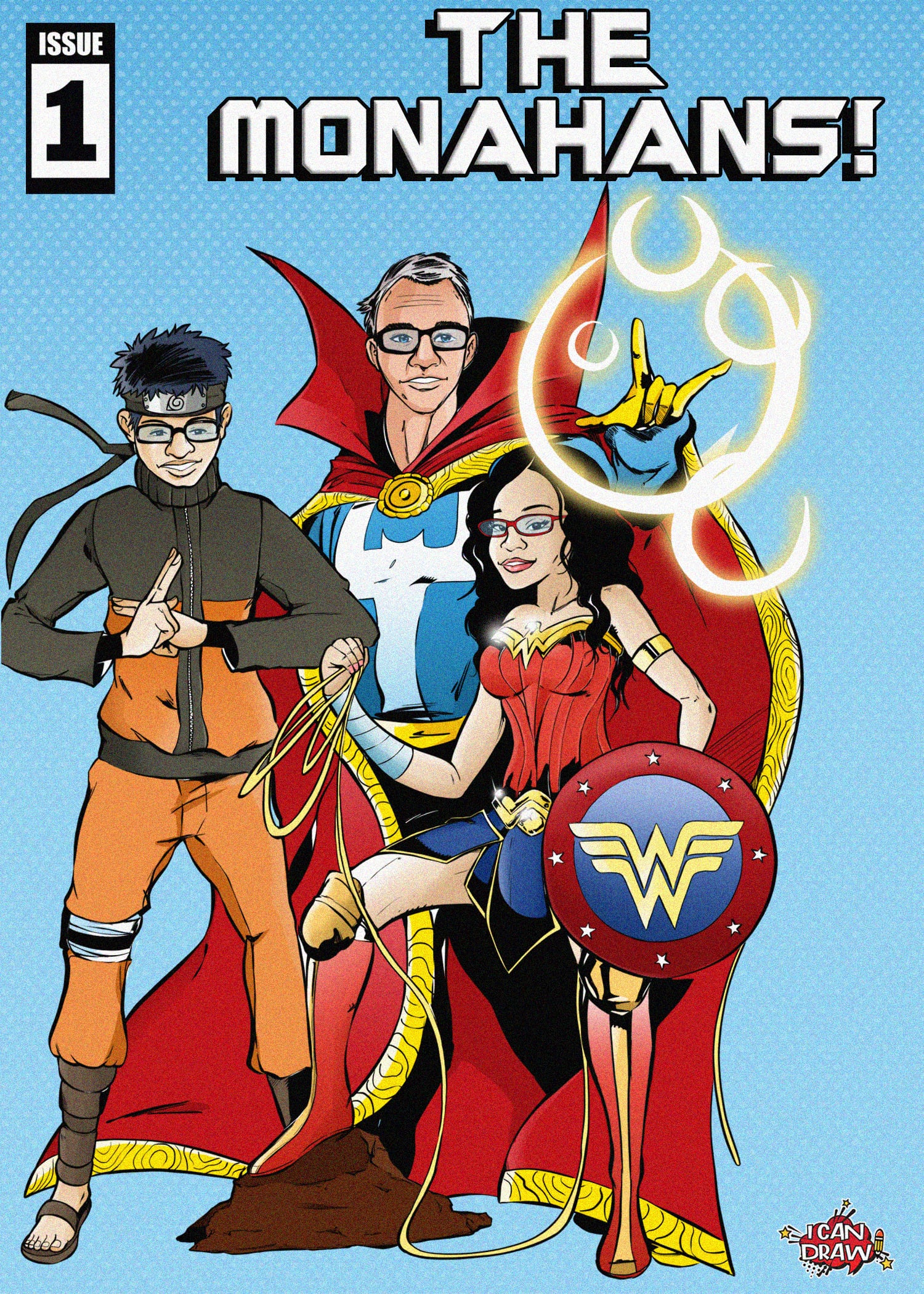
The Monahans!
Andre’s Favorite Comic!
The Hero’s Journey (Part III)
The Return
Creating A Character (Part II)
Character Archetypes
Neighborhoods
& Their Residents!
Who is…
Peaches?
Who is…
Len Kody?
The Hero’s Journey (Part II)
Initiation
Who is…
Big Earl?
Introducing a New Hero’s Journey
Back of the Yards!
Who is…
Erihii Nyamor?
Studio Card #12: We All Have That One Trickster In Our Life
| Summary | Dexter Coleman is a comic character developed as part of the Back of the Yards comic series, a Creative Commons project produced by the Made Collaborative Studio. "Dex" is one of the last of a previous generation of neighborhood troublemakers who are alive and not in prison. He’s gone (mostly) straight in his older years, trying his best to make amends for the bad deeds of his youth. |
|---|---|
| Core Personality Traits & Values | Dex is a wisecracker, a sharp dresser and a straight talker. Even though his moral compass has evolved over the years into that of a respectable citizen of Back of the Yards, he’s still known to indulge in a few vices. |
| Primary Archetype | The Rebel |
| Motto | “I ain’t got time for dreamin’. I’ll sleep when I’m dead.” |
| Collaboration Background | Dex was developed by Jimmy Briseno and Len Kody as part of the initial Issue 1 scripting process. |
| Debut | Issue #1 of the Back of the Yards comic series |
Quick Introduction
The Funky Finger of Fate
Three wise-cracking wise guys man a permanent post around a pickle barrel in front of Kozlow’s General Store. They are Peaches, Dex and Big Earl. Although these distinguished gentlemen of the neighborhood are officially retired from whatever eclectic ventures kept them occupied (and mostly out of trouble) in their storied youth, the Elders, as we call them, continue to serve an important purpose in their community—and in our story!
The intertwining threads of fate in Back of the Yards all intersect at the Elders’ humble pickle barrel, believe it or not. In ancient mythology, the Fates weren’t just observers and commentators but also tailors in life’s grand tapestry. Similarly, Peaches, Dex and Earl color the happenings of their Southside Chicago block with their piercing insight and cutting humor. They provide context, gravitas and perspective, reminding the reader and our younger characters that the world is big and history is long.
Lightning Quick Wit
Dex has a sharp mind. As steel sharpens steel, he keeps his mind sharp through constant use: chess in the park, all-night poker games and the occasional hustle.
They say you can’t teach an old dog new tricks, but that isn’t true of Dex—he’s probably the only one of the Elders who knows how to work a smartphone! Even so, he’s never learned his lesson.
Dex has lost a step or two but he stays one step ahead of the law, for now.
Old Habits Die Hard
Unlike Peaches, who became a community leader at marches and church picnics, Dex made his way running numbers for the policy kings of Chicago. “Policy” was an underground lottery in poor and working-class neighborhoods that was something of an illegitimate institution. The whole racket was run by the mob but supported by local politicians and preachers who always counted on their cut.
Dex is a good man, at heart. He’s never hurt anyone (intentionally) nor has he scammed anyone who didn’t have it coming (mostly). He’s just not one to turn the other cheek. Dex is an operator. When he sees injustice, he’s going to figure out a way to finish ahead.
The Policy Kings of Chicago
Who's Hustlin' Who?
For others in the community, Policy was opportunity in a time when legitimate opportunities were scarce. The Policy hustle was an economic engine that helped drive the growth of many legal black-owned businesses
Policy made millionaires of the men (and women) who hustled in that racket. But, as a criminal gambling enterprise, it certainly left its own victims in its wake; most notably, the poor folks who played multiple times a day, throwing away their scant earnings in the desperate hope that the numbers would fall their way one day…
Dream Logic
A Made Collaborative Production
Introducing a New Hero’s Journey
Back of the Yards!
This Studio Card is part of the Back of the Yards comic series, a Creative Commons project developed by the Made Collaborative Studio. You can learn more about our Creative Commons license by visiting the Explore the Studio page, but in short, what this means is that as a Creative Commons project, you can copy, redistribute, remix, transform, and build upon the content for any purpose, even commercially, as long as you give appropriate credit, provide a link to the license, and indicate if changes were made. And if you remix, transform, or build upon the material, you must distribute your contributions under the same license above.
If you’d like to explore the Back of the Yards comic further, you can see and access the Studio Card to your right and/or the related Studio Cards below. Thanks for collaborating with us!
Let's Collaborate!
Imagine that it's 30 years ago. It's the mid-1980s. Dex is a slightly younger man, in his early 40s. He's misspent his entire youth by crossing people and double-crossing them.
Table of Contents
Studio Cards Related to the Back of the Yards Comic Series Project
All Stories Start With
A Great Character!
Who is…
Erihii Nyamor?
All Stories Start With
A Great Character!
Who is…
Jimmy Briseno?
Creating A Character (Part II)
Character Archetypes
The Hero’s Journey (Part III)
The Return
Who is…
Carl Castaneda?
Who is…
Russell Patterson?
Who is…
Dan Dougherty?
Who is…
Len Kody?